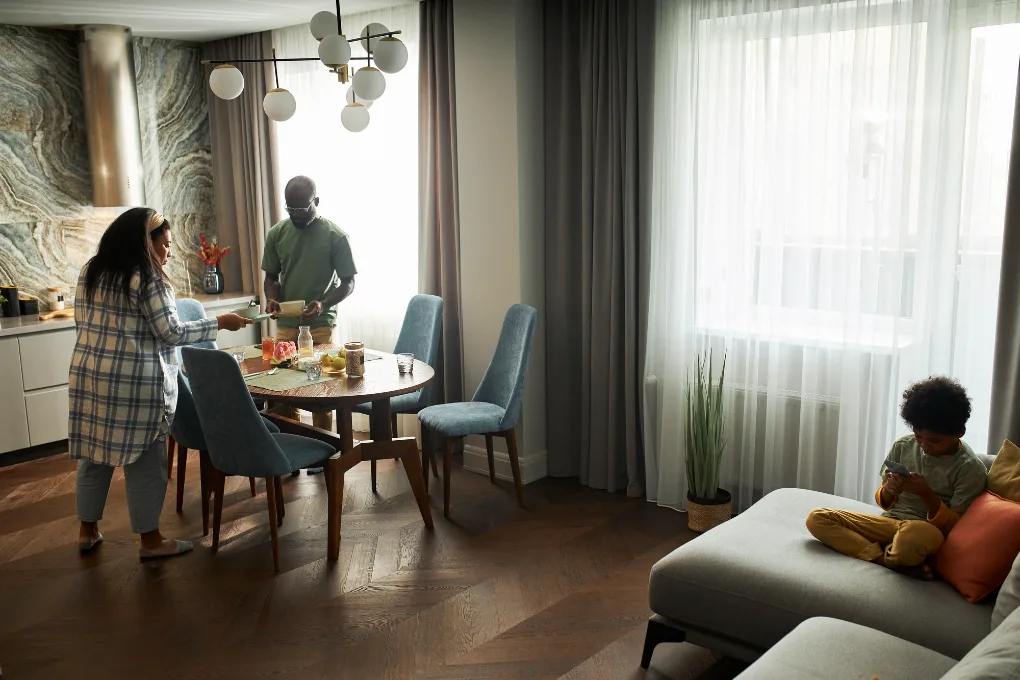
Key Takeaways:
- Multi-functional spaces maximize the utility of every square foot in a home.
- They cater to evolving lifestyles, including remote work and wellness activities.
- Design innovations and smart furniture are pivotal in creating adaptable living areas.
- Incorporating multi-purpose rooms can enhance a home’s value and appeal.
The Rise of Multi-Functional Spaces
The demand for homes that provide greater versatility is reshaping residential design. As families look for ways to make their living areas more adaptable, spaces that serve dual or even triple purposes have moved to the forefront of home design. With daily routines now blending work, leisure, and wellness activities, homeowners expect their spaces to adjust to different roles effortlessly.
For those considering a new home, these innovations are especially appealing, such as with new ski residences for sale in Park City, Utah, which frequently integrate multi-functional concepts into their floor plans.
The popularity of multi-purpose rooms is more than just a fleeting trend. It is a response to a changing world where flexibility in our living environments is increasingly valuable. As homes are called upon to serve as offices, gyms, and gathering spaces, their ability to adapt directly impacts our quality of life.
These changes are particularly important in urban and resort settings, where square footage is at a premium. The creative use of every inch within living spaces has become both an economic and lifestyle imperative, offering residents luxury without unnecessary excess.
The evolution toward flexible living does not stop at interior design. It reflects a shift in the way modern homeowners think about the future of their investment and their daily lives, making it a central priority in new home development and renovation projects.
Why Multi-Functional Spaces Matter?
The growing popularity of multi-functional spaces is rooted in several key societal shifts:
- Urbanization: As urban centers continue to expand, living spaces tend to shrink. Multi-purpose rooms offer a practical solution, enabling residents to make the most of every square foot without sacrificing comfort.
- Remote Work: The widespread adoption of remote and hybrid work models has prompted many homeowners to carve out dedicated areas for work, often within spaces that serve additional functions.
- Wellness Focus: With a greater focus on personal health and relaxation, homes are incorporating spaces that support activities like fitness and mindfulness without requiring separate rooms.
Design Innovations Facilitating Multi-Functional Spaces
Thoughtful architecture and innovative interior design are essential for creating spaces that meet a variety of needs. Some of the most popular tools and trends include:
- Smart Furniture: From Murphy beds and wall-mounted desks to modular seating and convertible storage, smart furniture allows homeowners to change the function of a room quickly and efficiently.
- Flexible Layouts: Open-plan living areas, sliding partitions, and movable walls enable residents to easily reconfigure their space for work, entertaining, or relaxation.
- Integrated Technology: Adjustable lighting, climate control systems, and automated room dividers add both luxury and convenience to multi-purpose areas, making them better suited to various uses and moods.
Real-Life Applications of Multi-Functional Spaces
Examples of versatile spaces abound in modern home design:
- Home Office and Gym Combo: By outfitting a spare bedroom with a fold-down desktop and compact exercise equipment, homeowners can seamlessly transition between work and wellness routines.
- Living Room and Guest Room: A living area with a sofa bed, integrated storage, and subtle lighting can easily double as a welcoming guest space.
- Kitchen, Dining, and Work Area: Large islands or extendable counters allow kitchens to function not only as cooking areas but also as informal workplaces and dining rooms.
Enhancing Home Value Through Multi-Functional Design
Multi-functional rooms offer a smart return on investment by broadening a home’s appeal to potential buyers. According to Architectural Digest, multi-purpose spaces have become a top priority for those looking to remodel or buy a home. Flexibility is increasingly synonymous with value, especially as lifestyles continue to evolve and buyers seek homes that can adapt to new needs.
When a home is marketed with adaptable spaces, such as a media room that transforms into an office or a den that serves as a yoga retreat, it stands out in a competitive market. This flexibility is now seen as a mark of thoughtful design and future-proof investment.
Challenges and Considerations
While the concept of multi-functional homes is appealing, it does require careful forethought:
- Design Complexity: Creating a cohesive environment that serves multiple functions without appearing cluttered is often challenging. Interior designers must carefully plan storage, lighting, and furniture arrangement.
- Cost Implications: Incorporating innovative solutions like high-quality modular furniture or automated fixtures can increase renovation or construction budgets.
- Maintenance: Areas that serve multiple purposes often require more frequent cleaning and reorganization to stay both functional and visually pleasing.
Future Trends in Multi-Functional Living
As technology continues to advance, it is likely that future homes will integrate even more sophisticated solutions for adaptable living. Automated systems are expected to play a larger role, allowing seamless changes to room function throughout the day. Trends also point toward increased use of sustainable materials and energy-efficient fixtures within these flexible spaces.
On a community scale, the concept is expanding to shared areas in residential buildings, where amenities like co-working lounges and communal exercise rooms enhance social interaction and efficient use of resources. More developments and luxury residences are adopting these ideas, reflecting consumer demand for both privacy and flexibility.
Conclusion
Multi-functional spaces are transforming the way we think about home design, making it possible for homeowners to enjoy greater flexibility, efficiency, and value in their living environments. By embracing smart solutions, clever design, and future-focused convenience, today’s homes are better equipped to serve the evolving lifestyles of modern families.