Key Takeaways
- Integrating AI and machine learning into dispatch systems significantly improves decision-making and operational efficiency.
- Real-time data analytics allows proactive management of freight operations, reducing delays and optimizing routes.
- Adopting cloud-based transportation management systems (TMS) ensures scalability and adaptability for changing business requirements.
In today’s rapidly evolving logistics sector, optimizing freight dispatching processes is essential for maintaining a competitive edge. Efficient dispatching not only helps reduce operational costs but also increases service reliability and customer satisfaction.
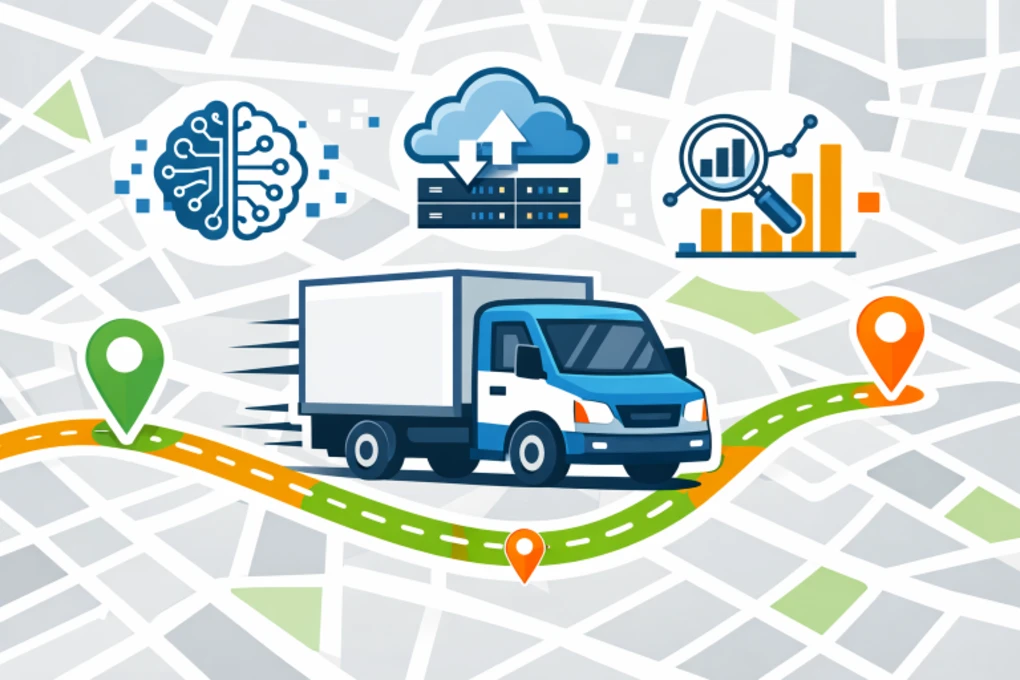
As technology continues to advance, logistics companies now have access to a suite of powerful solutions that can transform the dispatch landscape, from AI-powered tools to real-time data analytics. Many providers now offer specialized dispatch AI for trucking to help fleet operators streamline workflows and boost field productivity.
The integration of these advanced systems provides new opportunities to address common logistical challenges, such as route optimization and resource allocation. By leveraging digital platforms, businesses can automate routine tasks, improve scheduling accuracy, and ensure resources are used more effectively.
These improvements pave the way not just for increased profitability, but also for enhanced relationships with customers and drivers alike. Modern logistics providers are quickly discovering that advanced solutions deliver scalability at a fraction of the cost of traditional solutions.
With increased automation and the ability to adapt rapidly to demand changes, companies that deploy these technologies find themselves better equipped to navigate supply chain uncertainty and tighter market conditions.
As these innovations take hold, companies can make more agile decisions informed by comprehensive analytics and powerful predictive models. The result is an operation that is faster, more reliable, and capable of handling greater complexities without manual bottlenecks.
Embracing AI-Powered Dispatch Systems
Artificial intelligence plays a pivotal role in transforming freight dispatching. Modern TMS platforms now include AI-driven modules that address everything from route planning and dispatch assignments to expedited billing.
For example, software like McLeod’s latest release has leveraged machine learning to automate tedious administrative tasks, resulting in faster invoicing and improved resource allocation. The net effect is a reduction in labor costs and fewer errors, all while maintaining the agility required by modern logistics networks.
Leveraging Real-Time Data Analytics
Real-time data analytics enable proactive management of freight operations. By analyzing cargo specifics, current market conditions, and live weather data, dispatchers make evidence-based decisions that minimize disruptions and improve performance metrics.
Companies like Unisys offer sophisticated route-optimization tools that leverage real-time feedback, ensuring minimal empty miles and cost-effective route selection. These solutions also reference past trends, helping companies anticipate challenges and adjust before they impact deliveries.
Moreover, these analytics tools are highly adaptable and can quickly learn from new data as it arrives, continually refining their recommendations and further optimizing processes. A major advantage of this rapid adaptability is the capacity to respond instantly to unforeseen disruptions, minimizing potential losses and helping enterprises maintain high standards of customer service.
Through continuous monitoring and dynamic reporting, logistics teams can anticipate demand fluctuations, identify performance bottlenecks, and optimize every aspect of the supply chain in real time. This level of insight and operational dexterity is invaluable for businesses seeking to differentiate themselves in an ultra-competitive marketplace.
Adopting Cloud-Based Transportation Management Systems
Moving to the cloud is no longer an option, but a strategic necessity in the logistics world. Cloud-based TMS platforms provide the scalability companies need to keep pace with complex, growing needs. Leading solutions, such as TwoSommers’ BulkOffice platform, have shown tangible benefits, shortening the dispatch-to-cash cycle and providing unmatched flexibility.
These systems free logistics companies from cumbersome legacy platforms, reduce IT overhead, and make powerful analytics accessible from anywhere, fostering greater business resilience.
In addition to flexibility and reduced overheads, cloud-based platforms enable seamless integration with third-party logistics apps and partner networks. This integration provides a holistic view of operations, empowering stakeholders to collaborate efficiently and make informed decisions.
Cloud-based TMS solutions also simplify compliance with regulatory requirements, as their updates and reporting features remain up to date and comprehensive. As a result, businesses investing in cloud technology future-proof their operations and unlock new opportunities for growth, customer engagement, and innovation.
Integrating AI for Load Optimization
Reducing empty miles and optimizing load assignments are key financial drivers for fleet managers. AI solutions like Optym’s LoadAi bridge the gap between data and action by providing real-time, intelligent recommendations to dispatch planners.
These AI-enhanced decisions not only improve service consistency but also lead to better asset utilization and more reliable scheduling in a fluctuating freight environment.
Enhancing Decision-Making with AI Engines
Robust AI engines embedded within dispatch platforms take operational decision-making to the next level. PCS Software’s Cortex AI engine, for instance, sets a new standard by intelligently automating intricate processes such as dispatch routing and scheduling.
In environments where cost control and service quality are paramount, these AI-powered modules help fleets navigate softer markets and rising expenses with confidence.
Implementing AI-Powered Route Optimization
Route optimization has always been a cornerstone of efficient logistics, but AI-enabled solutions expand capabilities far beyond simple rate comparisons. Unisys’ route optimization module, for example, considers dozens of variables encompassing real-time traffic, cargo details, and complex delivery constraints.
This enables fleet operators to consistently identify the best routes for every shipment, improving punctuality and customer satisfaction. For additional context on the importance of route optimization, visit Logistics Management.
Utilizing AI for Smarter Load Management
AI-driven scheduling and load balancing tools have become indispensable for modern dispatchers. By deploying smart features such as those found in BeyondTrucks’ TMS, dispatch teams enjoy greater efficiency and can dedicate more time to problem-solving rather than bureaucracy.
This intelligent approach leads to higher driver retention and optimal asset utilization, benefits that trickle down through the entire supply chain.
Conclusion
Seamlessly integrating AI, cloud computing, and real-time data analytics within freight dispatching offers tangible advantages in efficiency, cost savings, and quality of service. As the industry moves toward greater digitization, logistics operators that adopt these cutting-edge solutions will secure their position in a volatile, evolving freight market.