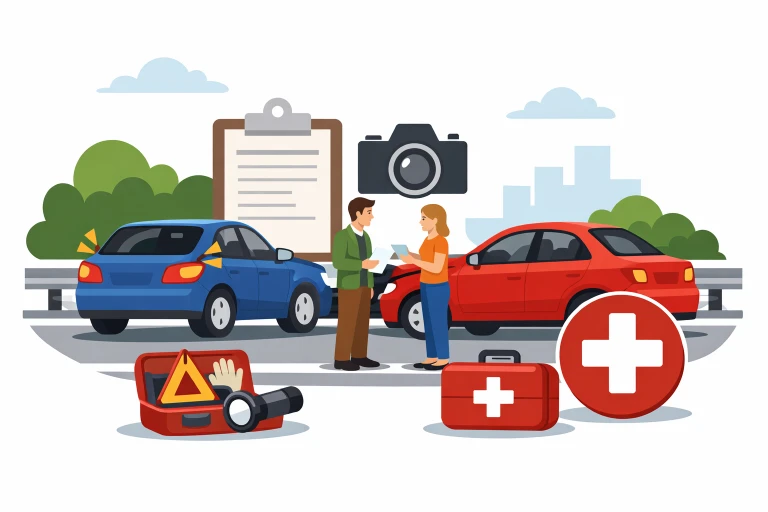
Experiencing a car accident is stressful both physically and emotionally, but taking the right actions afterwards is essential for protecting your health, finances, and legal well-being. Knowing where to turn for help, including contacting the best personal injury lawyers, can make a significant difference as you recover. Making wise choices in the hours and days after a collision puts you on a path to a smoother, less stressful recovery.
Beyond ensuring everyone’s safety, the aftermath of a car accident can include medical evaluations, insurance calls, and the start of an emotional healing process. Preparing yourself with practical steps will help you deal with immediate needs and long-term impacts. This guide is designed to walk you through every essential stage after an accident, helping you achieve the best possible outcomes for your health and peace of mind.
Immediate Safety Measures
Your priority after a car accident is ensuring everyone’s safety. If your vehicle is drivable, carefully move it to the side of the road to reduce the risk of further accidents. Activate your hazard lights so approaching drivers know there has been an incident.
Assess yourself and all passengers for injuries, and call emergency services immediately if anyone is hurt. Even minor collisions should be reported, as some injuries or vehicle damage may not be evident right away.
If you’re unsure whether the situation is safe (for example, on a busy highway or if there’s a fuel leak), it is generally best to remain inside your vehicle until help arrives. Growing numbers of motorists carry emergency roadside kits that include additional safety items such as cones, reflective vests, and first-aid supplies.
Seek Medical Attention Promptly
Not every injury caused by a vehicle collision becomes noticeable right away. Conditions such as internal bleeding, whiplash, soft tissue damage, or traumatic brain injuries may develop gradually, with symptoms appearing hours or even several days later.
This delayed response can create a false sense of security immediately after the accident. Seeking medical evaluation as soon as possible is essential, even if you initially feel unharmed. Early diagnosis allows hidden injuries to be treated promptly, supports a smoother recovery, and creates important documentation for insurance claims or potential legal proceedings.
Document the Accident Thoroughly
Evidence gathered at the accident scene is critical for insurance claims and potential legal actions. Take clear photographs of all vehicles involved, including close-ups of damage and wide shots of the scene. Document road conditions, weather, and traffic signals, and snap pictures of any skid marks or debris.
Collect contact and insurance details from all drivers, and politely request contact information from witnesses. Remain calm and avoid admitting fault, as accident circumstances can be complex and are best determined by professionals.
If police respond, request a copy of their accident report if available. Your thorough documentation will become a critical resource during insurance and legal proceedings. For more in-depth information on why accident documentation is important, visit this Forbes Advisor post-accident guide.
Notify Your Insurance Company
After an accident, contact your insurance provider as soon as possible, preferably within the first twenty-four hours, to begin the claims process without unnecessary complications. Be prepared to share all relevant information, including photographs, contact details of involved drivers, witness statements, and any official police documentation.
Insurance representatives can explain exactly what paperwork, evidence, and timelines are required for your specific claim. Reporting the incident early helps prevent avoidable delays, reduces the risk of claim disputes or denials, and provides a clearer understanding of your coverage, deductibles, rental benefits, and policy limitations.
Manage Financial Implications
Unexpected expenses are common after car accidents. Review your insurance policy closely to determine coverage for vehicle repairs, medical bills, and any lost wages. If your accident involves significant property damage or bodily injury, consider consulting a financial advisor to help you strategically manage out-of-pocket expenses.
Keeping track of receipts for repairs and medical treatment is essential for reimbursement claims. For more assistance managing the financial aftermath of a collision, you can reference this comprehensive resource from Forbes Advisor.
Address Psychological Impact
Emotional reactions such as anxiety, depression, and fear are common after an accident, especially if injuries were sustained or the crash was severe. Give yourself time to process the experience.
If you struggle with persistent stress, trouble sleeping, or driving anxiety, consider talking to a mental health professional. Early intervention can help prevent more serious issues such as post-traumatic stress disorder (PTSD). Community groups and support networks for crash survivors can also provide perspective and emotional support.
Follow Up on Medical Care
Adhering to prescribed treatment plans and attending follow-up appointments is key to recovering from injuries. Keep a detailed record of all medical visits, prescribed medications, therapy sessions, and any changes in your condition.
Follow-up care not only protects your health but may also serve as evidence if you pursue compensation for medical bills or pain and suffering. Maintaining open communication with your health care provider helps ensure a complete and timely recovery.
Returning to Driving
Once your doctor clears you to drive, take gradual steps to rebuild your confidence. Start by driving on quiet streets or with a trusted friend or family member. If anxiety remains, consider enrolling in a defensive driving course.
These classes refresh your skills and prepare you for unpredictable situations on the road. Remember, it is normal to need time to reacclimate, and asking for support when needed is an important part of the process.
Recovering after a car accident involves physical healing, navigating insurance and finances, and addressing your emotional well-being. By moving through each key step, taking proactive measures, and reaching out to professionals when necessary, you can regain control of your life and return to the road with renewed confidence.