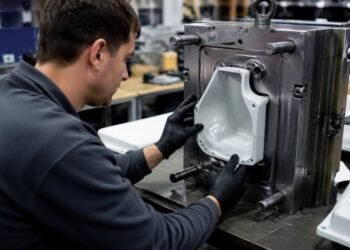
If you have come across Maderbot, you may have noticed that it is not the kind of brand with pages of corporate press coverage or a massive global footprint. Instead, the public signals around Maderbot point to something more focused and more interesting: a specialized maker-style business centered on wood technology, CNC router machining, and laser cutting. Its Instagram profile describes the brand as working in “Maquinados en Router CNC & Corte Láser,” while its Facebook presence describes it as “Tecnología aplicada a la madera,” which translates to technology applied to wood.
That alone explains why Maderbot matters. In today’s fabrication economy, small and mid-sized brands that combine craft with digital production can fill a valuable gap between mass manufacturing and one-off handmade work. They can produce custom pieces, branded objects, décor, signage, and functional wood products with more precision than traditional manual methods and more personality than factory output. Based on the limited but consistent public information available, that appears to be the space Maderbot occupies.
This article takes a practical look at what Maderbot appears to be, why that model matters in the modern maker economy, and what helps a niche fabrication brand stand out.
What Is Maderbot?
Maderbot appears to be a wood-focused digital fabrication brand built around CNC router machining and laser cutting. Its public social profiles consistently associate it with wood technology and custom fabrication. One Instagram description highlights CNC and laser processes, while example posts reference engraved serving boards and collaborations connected to furniture or wood-product finishing.
That matters because the name itself suggests a blend of traditional material and modern production. “Madera” is Spanish for wood, and “bot” often evokes automation, robotics, or digitally assisted systems. While that is an interpretation rather than an official brand statement, it fits the public-facing identity very well: a workshop or creative fabrication business where woodwork is enhanced by precision technology. Supported facts about the brand’s process focus come from its social profiles; the naming interpretation here is an inference.
In practical terms, a business like this usually operates where design files become physical output. A customer may need a custom engraved board, a laser-cut decorative panel, a furniture component, a sign, or a prototype. Instead of relying only on hand tools, the workshop uses digital design software, CNC routing, and laser systems to convert dimensions and artwork into repeatable, accurate results. That is exactly why these hybrid fabrication businesses have become so relevant.
Why Maderbot Matters in a Modern Market
The reason Maderbot matters is not just because it makes things from wood. It matters because it reflects a larger shift in how people want products to be designed and produced.
Consumers and businesses increasingly want items that feel personal, local, and tailored. At the same time, they still expect clean finishing, accurate cuts, and dependable repeatability. A CNC-and-laser-based wood shop can meet those demands far better than many purely manual operations. It can also handle small custom runs more effectively than a large factory built for scale.
This is where a brand like Maderbot stands out. A custom fabrication studio can serve multiple needs at once. It can create one personalized gift, a short batch of branded wooden products, or specialty design pieces for interiors and furniture projects. Public posts linked to Maderbot suggest work such as engraved boards and wood components associated with furnishings, which fits that flexible production model.
There is also a broader economic angle. Digital fabrication technologies have lowered the barrier for specialized production. CNC routing and laser cutting allow smaller workshops to compete through speed, detail, and customization instead of competing only on volume. That makes businesses like Maderbot important not just as brands, but as examples of how modern craftsmanship is evolving.
Maderbot and the Rise of CNC Wood Fabrication
To understand what makes Maderbot relevant, it helps to understand the tools behind its identity.
A CNC router uses computer-controlled movement to cut, carve, shape, or engrave materials such as wood. A laser cutter uses focused light to cut or engrave surfaces with fine detail. When combined, these tools let a maker business handle both structure and finish. One process may shape the object; the other may add branding, decorative detail, or surface personalization.
That combination is powerful because it supports both creativity and consistency. If a client wants ten matching engraved boards, a custom shelf panel, or decorative wall pieces, digital fabrication makes repeat production more accurate. If the next customer wants different dimensions or a different name engraved, the file can be changed without redesigning the entire process from scratch.
Maderbot’s public description directly references these capabilities, which suggests that its value is rooted in more than aesthetics. It likely offers a workflow that blends design, machine precision, and material understanding.
For customers, that often means faster turnaround, sharper detailing, and cleaner personalization. For designers and small businesses, it can mean access to made-to-order woodwork without needing an industrial supplier.
What Makes Maderbot Stand Out
The strongest thing that makes Maderbot stand out is its likely position at the intersection of craft, customization, and fabrication technology.
A lot of woodworking businesses emphasize handmade character. A lot of machine shops emphasize precision. Fewer brands successfully communicate both. Maderbot’s public identity suggests that it belongs in that middle space, where wood remains the hero material but digital tools help unlock consistency and detail.
That balance matters for several reasons.
First, it makes customization practical. When a workshop uses digital systems, it can adapt designs more efficiently. Personalized engraving, logo placement, shape modifications, and production tweaks become easier to manage.
Second, it improves repeatability. If a client wants the same product again later, saved digital files make reproduction much more reliable than relying only on manual measuring and hand-cutting.
Third, it expands the range of possible work. A business built on wood technology can move across categories such as gifts, interior décor, signage, furniture details, prototypes, and branded merchandise. One public mention associates Maderbot with furniture-related door work, which hints at collaboration within broader design and furnishing ecosystems.
Fourth, it creates a stronger brand identity. “Technology applied to wood” is a clearer and more memorable proposition than generic woodworking. It tells customers they are not just buying an object. They are buying a process built around modern fabrication.
The Value of Small Specialized Brands Like Maderbot
One of the biggest reasons a niche brand like Maderbot matters is trust.
Large marketplaces are full of generic products. Customers often struggle to know where something was made, how carefully it was produced, or whether customization will actually look professional. A specialized fabrication brand can solve that problem by showing the process, the material, and the output in a visible way.
That is one reason social platforms matter so much to businesses like this. In Maderbot’s case, the public footprint appears to be relatively social-first rather than website-first. That can actually work in favor of a fabrication brand, because visual proof is often more persuasive than long marketing copy. Images of CNC machining, engraved boards, wood finishes, and completed pieces can communicate quality quickly. Based on available search results, Maderbot’s public presence is indeed concentrated on social channels.
This kind of specialization also supports local and regional business ecosystems. A workshop can collaborate with interior designers, furniture makers, event suppliers, food brands, gift businesses, and hospitality companies. A single fabrication partner can become useful across many small commercial needs.
Common Questions About Maderbot
Is Maderbot a software company or a fabrication brand?
Based on the public evidence available, Maderbot appears to be a fabrication brand focused on wood, CNC routing, and laser cutting, not a software product. Its public-facing descriptions emphasize physical making processes rather than software services.
What kinds of products could Maderbot be suited for?
The available posts suggest products and services related to engraved wood items, custom cuts, and furniture or décor components. This would likely include personalized boards, signage, decorative panels, branded pieces, and custom wood elements. This product range is an informed interpretation based on the cited process descriptions and visible post context, not a full official catalog.
Why do CNC and laser cutting matter?
They matter because they improve precision, repeatability, and customization. These processes make it easier to create clean cuts, engraved details, and consistent results across multiple pieces while still allowing tailored designs.
Is Maderbot a large company?
There is no strong public evidence that Maderbot is a large-scale global company. The visible footprint suggests a smaller specialized brand with a focused public presence, especially on social platforms.
Real-World Use Cases Where Maderbot’s Model Shines
The reason businesses like Maderbot stand out is that they can solve very practical problems.
Imagine a café that wants custom serving boards engraved with its logo. A mass supplier may require high minimum order quantities and offer little flexibility. A local digital fabrication brand can create a smaller run with cleaner personalization and faster revisions.
Now imagine an interior designer working on a home project that needs custom decorative wood panels or precision-cut components. Traditional hand methods may take longer and introduce more variation. CNC production makes the result more consistent while still allowing custom dimensions.
Or think about gifts and small-batch merchandise. A personalized wood item feels premium when the finish is clean and the engraving is sharp. That is where the blend of craftsmanship and machine precision becomes commercially powerful.
Maderbot’s public examples, including engraving and wood-related applied work, align closely with these kinds of real-world use cases.
Challenges a Brand Like Maderbot Must Overcome
A balanced article should also recognize the challenges.
Small fabrication brands often have to educate the market. Many customers do not know the difference between handmade woodworking, CNC routing, laser engraving, and factory production. That means the brand has to explain why its process is worth the price.
Another challenge is visibility. A niche maker business may be excellent at production but still remain hard to discover online if it lacks a strong website, search presence, or broad media coverage. Maderbot itself is an example of this issue: public search visibility appears limited, even though the brand identity is clear on social channels.
There is also the challenge of scaling without losing character. As more orders come in, the business must keep quality consistent while preserving the custom feel that attracted customers in the first place.
Actionable Lessons Businesses Can Learn From Maderbot
Even with limited public information, Maderbot offers useful lessons for small creative businesses.
The first lesson is that a clear niche is powerful. “Technology applied to wood” is far more memorable than trying to be everything for everyone. A focused positioning statement helps customers understand the value quickly.
The second lesson is that process can be part of the brand. Showing CNC routing, laser work, material finishing, and completed pieces helps customers trust the output.
The third lesson is that customization is not a side feature anymore. For many buyers, personalization is the product. The business that makes custom work feel easy gains an advantage.
The fourth lesson is that small brands can punch above their size when they combine visual presentation with a specialized service model. A modest public footprint does not mean weak value. It often means the business is still under the radar.
Final Thoughts on Maderbot
Maderbot matters because it represents a modern version of making: one where wood craftsmanship, CNC precision, and laser cutting work together instead of competing with each other. Publicly available descriptions consistently position it around wood technology and digital fabrication, and that alone makes it relevant in a market that increasingly values customization, quality, and small-batch production.
What makes Maderbot stand out is not celebrity-level visibility or corporate scale. It is the clarity of its niche. A brand that applies modern fabrication tools to wood can create products that feel personal, functional, and visually refined. In a world flooded with generic items, that combination has real value.
If Maderbot continues building visibility, showcasing finished work, and communicating its process clearly, it has the kind of positioning that can resonate strongly with customers who want more than mass-produced output. That is exactly why Maderbot stands out.